I had no idea what I was getting myself into when I sat down to watch this documentary. I love documentaries. I love learning something new about history, about biographies, about events…But when it comes to sheer evil. Let’s just say…with clenched fists I watched this and had to keep whispering, “God will handle this. God will judge. God will punish them.”

For those who don’t know, in September of 1971, there was a full-scale riot at the Attica Correctional Facility in New York. Starting on the 9th, prisoners broke through a gate that had a loose bolt, and one of the first things they did was beat a correctional officer to death. Then they took hostages. They made demands. They called for lawyers, reforms, and better conditions.
On Monday, September 13th, 1971…a helicopter flew over dumping a cloud of tear gas into the yard before state police went in with a hail of gunfire, pretty much firing indiscriminately. People who were surrendering were shot and killed. Hostages were shot and killed. In total, 43 people were dead, over 80 wounded.
After that…and here’s where I really bite my lip and struggle to contain my rage…prisoners were stripped naked and subjected to some of the most inhumane torture imaginable. I don’t want to curse. I would encourage you to watch the documentary to see for yourself, but I confess…I do take umbrage with some of the decisions the producers took in putting this film together, as I’ll mention later.
I encourage you to watch this film to learn what happened. Because even after watching it, even after reading about it, I know without a shadow of doubt, that everything I’ve learned pales in comparison to the full scope of what actually happened. I can never say I truly understand what those inmates went through. I can never truly grasp the fear, the humiliation, the pain.
I encourage you to watch this film to, sad to say, be reminded of the fact that evil exists. It’s always existed. Since the beginning, humans have shown themselves to embrace the darkest, most violent evil impulses for a wide variety of reasons, many of which, makes sense only to the person committing the crime.
If you see headlines and the Wikipedia page, the “Attica Prison Riot” is called the single bloodiest day in American history…but I don’t believe that for one second. I don’t believe for one moment that since 1777, there hasn’t been worse atrocities committed on U.S. soil before the advent of cameras or telecommunications.
This isn’t the first Prison Riot I’ve read about. I’m sure it won’t be the last. But the testimonies, the photo evidence, the recordings…media is a powerful tool. Seeing is believing they say, and rest assured, this film hides nothing. Not the nudity of rows of inmates stripped bare. Not the bullet-ridden corpses. Not the faces caved in from blunt-force trauma. Not the lies the authorities told in an attempt to cover up raw, animalistic evil.
Watching this documentary reveals what happened…but you really don’t get a sense of closure. And perhaps, that’s what the filmmakers were trying to convey. That there is no end to it. But what’s the “it” we’re talking about?
Now, I’m more Right-Leaning. I’m more Conservative in my thoughts and opinions, but I’m open minded to the Leftist talking points. You can’t dismiss them. If someone has a particular worldview or ideology that’s different from my own, I’d rather try and understand than silence them. But that’s just me.
In this film, you definitely grasp the concept that the government is the enemy. Authority is a problem. This film portrays the convicts, really as the good guys and the state police as the bad guys. And I see arguments for both sides. For instance, the former convict called Big Black, according to this film, rallied the Muslims to actually protect the hostages (many of them white) from abuse and attacks from other inmates. From this film, Big Black is truly a good guy.
I won’t dispute that. I won’t dispute that and you won’t hear me say a word in defense of the state police who rushed in guns blazing. You won’t hear me say a word in defense of the state police who set up a gauntlet to beat naked prisoners as they were forced to run through a corridor. You won’t hear me say a word in defense about the sons of bitches who took pleasure in torturing Big Black as he lay naked on a table.
My problem, is when you lay out these despicable acts, flashing graphic, glaring images of the dead almost like subliminal brainwashing…and then you end your film by playing multiple bodycam scenes of the numerous unarmed killings of blacks by the police that have taken place in recent years…I ask myself, what are the filmmakers trying to accomplish?
Prison reform. Sure. A change in police training. Sure. Is that it? It reminds me of all these MeToo and Feminists Movements where men are portrayed as bad guys and women are all innocent victims. Do you think bad guys will suddenly stop and think to themselves, “wow, I had no idea women don’t like to be raped? I need to change my ways?”
Watching this documentary elicited a strong emotional reaction in me, and I think that’s what the filmmakers wanted. I think the filmmakers wanted viewers to see this unflinching look at a moment in history and the ongoing “injustices” made by the police against Blacks and feel angry, enraged, outraged, sad, disheartened, and maybe even emboldened to do as Elizabeth Fink did, and join a cause…a Leftist, Liberal Cause.
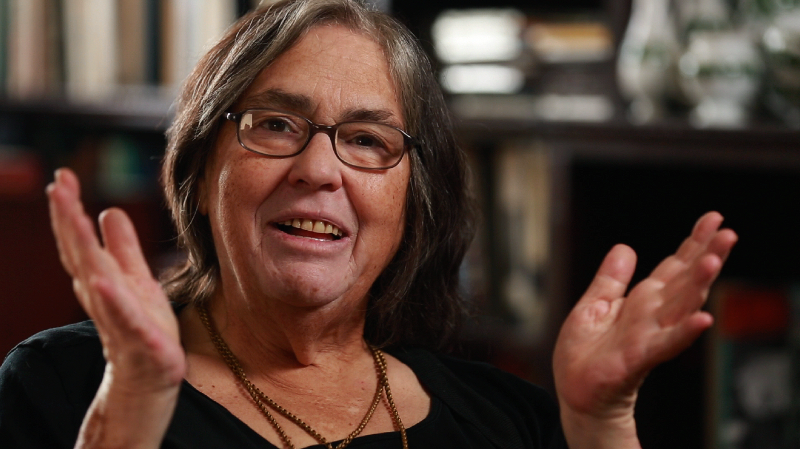
I saw nothing about hope. I saw nothing about peace. You could say that Elizabeth’s fight for justice was a demonstration of love…but even there, I’m not so sure. Some people just love to fight, and if you learned about her activist background and upbringing, you’d see what I’m talking about. I’m sorry. Forgive the doubt and cynicism, because what Ms. Elizabeth Fink did was supremely admirable. It took strength, sacrifice, and commitment for her to serve as a defense attorney for people like Big Black and others who suffered such abuses during the Attica riots…
But I suppose, upon watching this film…while the filmmakers clearly had an agenda and succeeded in prompting an emotional response, I knew had to calm down. What happened at Attica, and what happened with all of the unjustified police killings of unarmed blacks are indeed unfortunate. There are more powerful words to use than “unfortunate,” but I’m actively choosing to use that word.
Why?
Because I know evil exists. Notice I said evil. Not just racism. Because I contend, that not all racism is evil. Just like I’ve listened to Atheists despite being Christian, and just like I’ve conversed with Leftist, despite having Right-leaning views…I’ve actually spoken with White Racists and learned about their backgrounds, despite being a Black Man.
From what I’ve seen of the Attica documentary, and there was a gratuitous use of the n-word…I’ve concluded that these killers and perpetrators of torture were pure evil. It’s plain and simple. Human life meant very little to them. Inflicting pain was a source of pleasure and enjoyment. Could some of those guys have had racist views? Yep. No doubt about it. But so what?
That’s right? You heard me. So what? For all I know, I work with some people who hold racist views, and I’m just not aware of it because they treat me with love and respect. I grew up in Augusta Georgia where I saw Confederate flags waving proudly in the yards of my neighbors and those neighbors still treated me and my brothers like friends.
“How can a person be racist and still treat you like a friend? It sounds like you’re advocating for racism.”
First off, I think there’s a difference between having racist opinions and being an actual racist. An actual racist is someone who hates other races, wants to segregate from them, thinks their own race is superior and other races are inferior. Prime example of this are the Nazis who had greater regard for animals than they did for other races. For instance, they outlawed the torture of animals, while conducting horrible experiments on Jews without any anesthesia. The Nazis were racists.
But having a racist opinion or view…take this example. Back in 2008, when Obama won the presidency, all over Facebook, I kept seeing Black people make posts like, “Finally! We have a Black President!”
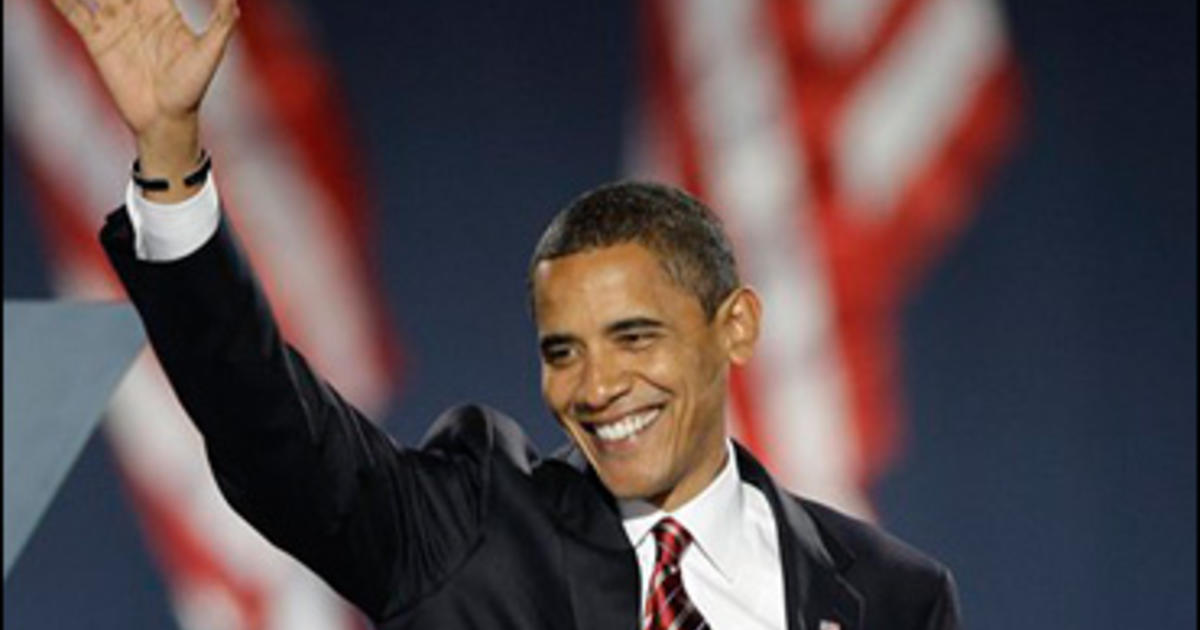
Was that a racist statement? Back in 2015, I asked a friend this and he said no because the statement was “positive”. …interesting…
I contend that it is actually a racist statement to say, “Finally, we have a black president” because the emphasis is on Obama’s race. Whether it’s negative or positive is subjective. The fact is, you are highlighting his race as the significance about him winning the presidency.
So going back to whether the state police who killed so many at Attica were racist or not…to me, it doesn’t matter. Whether they said the “n-word” doesn’t matter. The fact is, they sought to inflict pain and death, whether it was physical, mental, or emotional. That’s what made them evil. Mind you, I was born in 1986. My father wouldn’t have the same opinion of the n-word as I do and it makes sense. He grew up in a different era.
And that’s the point I’m trying to get at. People like me should consider themselves blessed to grow up in a time where things aren’t NEARLY as racist as they used to be. My first girlfriend was white. Decades earlier, in the South? I would’ve been strung up by my neck for such an offense. This film, Critical Race Theory, and many in the media, seem determined to keep people in the mindset of the afflicted.
Don’t get me wrong, this film about Attica was definitely eye-opening. The horrible atrocities should have never happened, but I rebuke the filmmakers for ending the film in a lengthy montage of police killing unarmed blacks. They would’ve done better to end it with how these survivors managed to overcome their struggles and went on to live life to the best of their abilities, no matter how limited or disabled they were.
Why? Because that’s how you encourage others. That’s how you uplift them. As a Black Man, one of the greatest messages about the Civil Rights Movement that I appreciated and respect, isn’t the focus on police brutality, the racism, and the injustices they suffered…it’s the fact that so many sacrificed their lives, that so many endured and had the strength to overcome such hardship so that we today are able to vote without punishment, so that we can get into any college we want, so that we can marry who we want, so that we truly have the same opportunities afforded to other races.
I’m not saying, racism is no longer a problem. But it’s not like it used to be and it’s far from the biggest problem Black people have to deal with, like our culture and the breakdown of the family unit.
And of course, the main killers of black people…it isn’t the police. It’s black people. Just Google “Chicago Shootings” and you’ll likely see the numbers from one weekend surpass the total number of unarmed shootings by police for all of last year. In fact, one could argue that if it wasn’t for police presence, the graph of black-on-black homicides would likely increase. Which is why, it’s very difficult to watch and listen to arguments demonizing the police due to the actions of a rotten few.
Just recently, we had a guy down here in Tampa named Ronnie O’Neal.
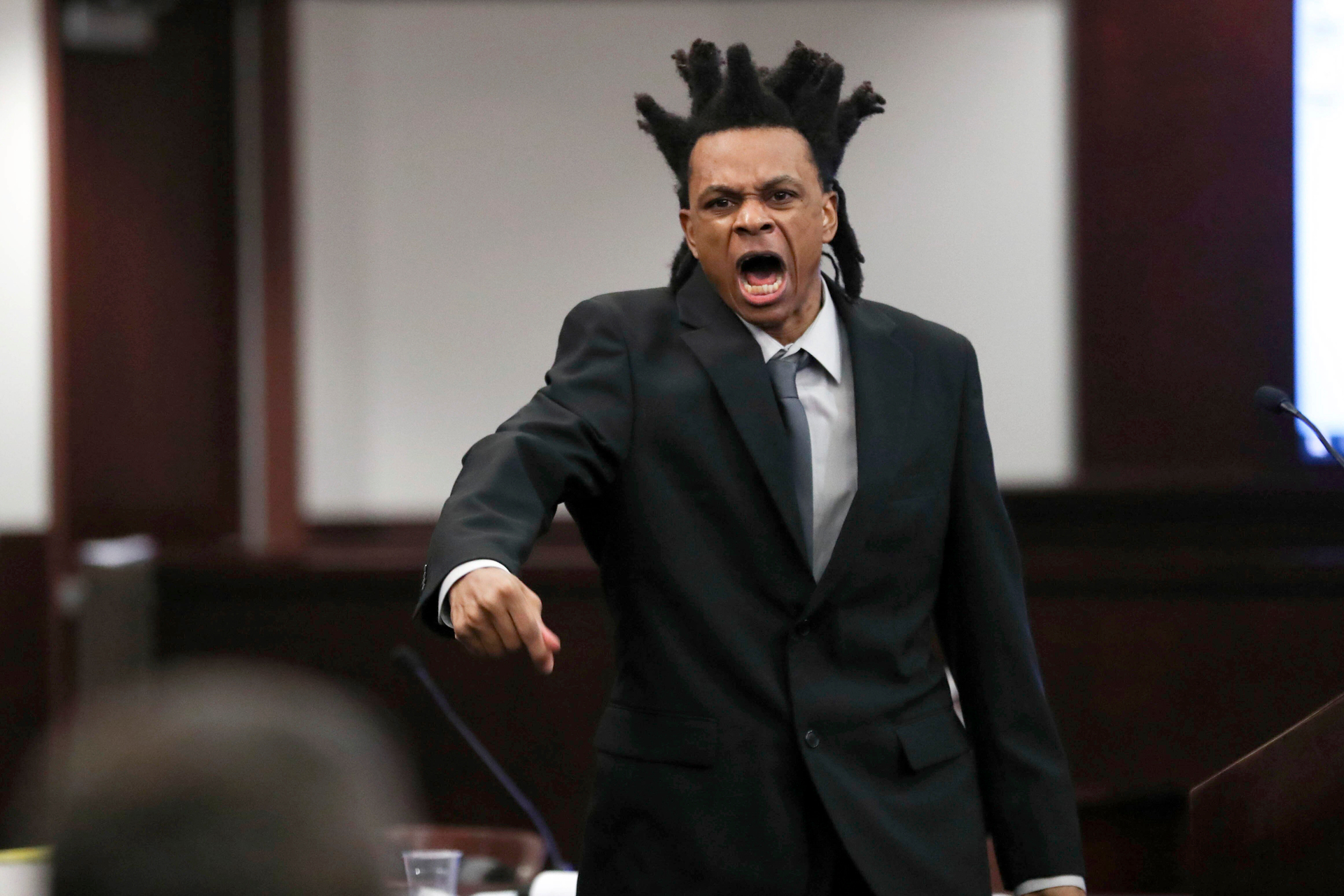
This man murdered his girlfriend with a shotgun, killed his daughter with an ax, and stabbed his son with a knife. The son survived and was taken in by the white police officer who adopted him. When Ronnie served as his own defense in court, he questioned his son and had the nerve to ask, “Did I hurt you?”
The son said, “you stabbed me…”
It’s absolutely heart wrenching. This isn’t racism. This is evil. But let’s say I’m wrong. Let’s say I’m naïve and gullible and uneducated and the only reason why I don’t believe in systemic racism is because I haven’t heard enough stories, or seen enough examples in my day-to-day life.
Ask yourself what kind of world would you want to live in, would you want your children to grow up in? A world where everyone’s like you, believing in this widespread plague of hateful racists…or people like me? A man who acknowledges that evil exists, and it will always exists until the return of Christ, but doesn’t think that most people hate me or my family because we’re black.
Ladies and gentlemen, I’ll end it on this note. We really need to be careful about trying to convince an entire generation that most people are racist and that white people should feel guilty for crimes they never committed. You run the risk of creating racists out of a person who would’ve otherwise not cared about race one way or the other.
How does this happen? Well, if you make someone feel guilty or rotten over something they didn’t do, you might convince them at first. They might go on for a while feeling bad about it for sometime. Maybe even treating others with special consideration (which I think is the goal for a lot of movements. Not true equality, but special treatment).
But one day, that person might snap out of it. He’ll realize that he was tricked into feeling guilty and then…he’ll have resentment. He’ll wonder why he felt guilty in the first place? He’ll think back about the one who tricked him? And sometimes, nothing happens. The person will just take better care from now on about letting unfound criticism get to him. But be careful of the ones who sacrificed and endured hardships based on that imposed guilt. Recompense and the desire to get it will likely turn this person into a racist.
This is just a theory, mind you. I could be wrong. Thanks for reading.


 Stage In The Sky
Very thought-provoking and well-written.
LikeLike
nice! Thank you Ms. Cindy!
LikeLiked by 1 person
You are welcome!
LikeLike
Although society (including me) needs law-enforcers to protect the law-abiding and vulnerable people, I believe that to have a reasonable idea of how law-enforcers will behave, one must understand what underlying nature/desire motivated them to their profession to start with. Maybe many law enforcers target/acquire such authoritative fields of employment mainly for ‘power’ reasons, though perhaps subconsciously.
Many, if not most, of us as children have fantasized about, and even planned for, a future as law enforcers in some form or another. But almost all of us, probably sooner than later, grew out of that dream, as it wasn’t reflective of our nature. Those who deliberately get into such professions of potential or actual physical authority might do some honest soul-searching as to truly why. (As an intensely focused/self-critical introvert, I know I definitely would.) Although that may sound cynical, I believe there is much truth to it. It must also be kept in mind that there are people who leave law-enforcement professions after witnessing serious misconduct within.
LikeLike
Hello,
My name is Mike, I made the movie. My wife just sent me this review, so I thought I would respond.
Thank you for your thoughtful review and kind words. Whether or not you agreed with every choice we made, you watched the film and absorbed it. I appreciate your time and energy – it’s not an easy subject.
My goal with the film was to present the perspective of the Attica Brothers, through the words of Liz Fink, who knew the details better than anyone. That’s why we showed everything, as you noted – the lines of naked bodies, the bullet holes. When I talked to surviving Attica Brothers about the project, that was always their mantra: make them look at everything. Make them see.
You are speaking truth when you say we ended the film on the harshest possible note and without a trace of hope. Many of the men have endured and gone on to build good lives, and you get a taste of that through Stanley Nelson’s film ATTICA, and the work I’ve done with the Attica Brothers Foundation in the last couple years.
But many of the men, and Liz in particular, were still very angry. They’re still hurt. And many of them identify the racism they experienced before and after the rebellion as a major cause of their frustration. They see the same look in the face of Derek Chauvin as he’s slowly choking George Floyd to death that they saw in the eyes of the guards who made them crawl through broken glass. They believe that identifying, labeling, and ending racist practices in law enforcement is the most direct way to remove the evil in the system.
That’s not to say every person in authority is evil, of course. In the film we talk about one of the guards who had good relationships with the inmates before the rebellion and stood up for them after. But how many people witnessed the poor treatment, racist and otherwise, without addressing it? Doesn’t that contribute to evil?
We made the choice to honor their anger, and their analysis of the ongoing problems with law enforcement, both in prisons and on the streets. It is a choice that has made a lot of people uncomfortable, and I wouldn’t want it to be the only perspective available in the world, but I think it was the only way to convey the feelings of the men who survived that awful day.
Hopefully that provides a little more context for the choices we made.
One point of note: it is sometimes referred to as the bloodiest day in America since the end of the Indian wars, or the Civil War. The little detail is whether or not you consider Native Americans citizens and if you want to be a stickler for that detail. Technically they were not American citizens so you have to go back to the Civil War to find another day in which 39 or more American citizens were killed by other American citizens. The soldiers fighting for the Confederacy technically weren’t American citizens either, but that’s usually where the line gets drawn. It’s a very silly thing to argue about and entirely misses the point of talking about any of this, but it comes up occasionally. Unfortunately the point is particularly moot now because we’ve surpassed 39 killings in a handful of the mass shootings that have happened in the last few years.
Thank you again for your thoughtful response.
Mike
director, Betrayal at Attica
LikeLiked by 1 person
Hi there, Mike!
It was a pleasure to have read your response. I think your hard work in putting out the documentary is a great public service in of itself. I had to go back and read what I wrote two years ago because, lol, you never know how bad I was. But I remember that day.
Sundays are my days off from everything where I devote my time to writing and I watched your documentary that morning, truly not knowing what to expect. The reaction was so strong that I pretty much cleared my schedule for the rest of the day. I was so overcome with outrage and indignation at what had happened that I couldn’t move until I put my thoughts to paper.
It is an honor to read your words and perspective because I can’t even imagine how difficult it was for you and your team to have covered such a topic. I really hope my review didn’t tarnish or besmirch that effort. But yeah, lol, my reaction to that police montage at the end, no need for me follow up about that. I thank you for explaining those choices. I’ll pray for those still dealing with the effects of that horrible event.
LikeLike